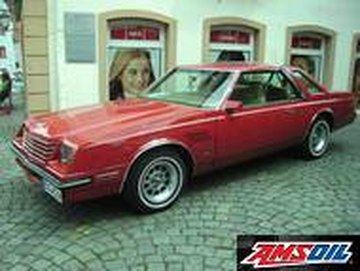
Maintaining Lubrication Standards for the 1981 Dodge MIRADA 3.7L
Proper engine maintenance is a cornerstone of long-term vehicle health, particularly for an engine like the 3.7L found in the 1981 Dodge MIRADA. While many modern automotive concerns focus on complex electronics, the fundamental mechanical integrity of this vehicle relies heavily on consistent lubrication and proactive inspection of its core components.Monitoring Fluid Integrity and Potential Leaks
One of the most effective ways to monitor the health of a 3.7L engine is through regular visual inspections for fluid seepage. Over time, various gaskets and seals may experience changes in their ability to maintain a tight barrier. When performing routine checks, it is useful to look for any signs of wetness or residue around sealing surfaces. If you notice dark, oily patches on the ground beneath the vehicle or observe weeping around engine components, these are indicators that warrant further investigation. It is important to remember that a small amount of seepage does not always indicate an immediate failure, but it serves as a vital signal to monitor fluid levels more closely. Identifying these signs early can help in planning necessary repairs before they escalate into more significant mechanical issues. Beyond the engine itself, checking for leaks in other connected systems—such as those involving cooling or power steering if equipped—is a prudent part of a comprehensive maintenance routine. A clean engine bay often makes it much easier to spot new or developing leaks that might otherwise be obscured by accumulated grime.Observing Changes in Engine Performance and Appearance
Maintaining an awareness of how the vehicle operates during daily use can provide early warnings regarding lubrication issues. While symptoms can have many different causes, certain changes should never be ignored. For instance, if you notice a change in the way the engine sounds or if there is an unusual odor after the vehicle has been running, these observations should be investigated. Changes in the appearance of the oil itself can also be telling. If the lubricant appears excessively dark, gritty, or shows signs of contamination, it may indicate that the current service interval needs to be addressed or that there is an underlying issue with the engine's internal environment. Similarly, if you notice any unusual exhaust smoke, this could be associated with how the engine is managing its lubricants and should be evaluated by a professional. Always approach these symptoms with the understanding that they are indicators rather than definitive diagnoses. A single symptom might point to several different mechanical possibilities, making a thorough inspection essential for an accurate determination of the cause.Prioritizing Maintenance Through Condition-Based Inspection
For owners of a 1981 Dodge MIRADA, effective maintenance is often more about reacting to the actual condition of the vehicle rather than strictly following age-based assumptions. Because every vehicle has been subjected to different operating environments and driving habits, a "one size fits all" approach to parts replacement is rarely efficient. Instead of replacing components simply because they are several decades old, focus on establishing a maintenance baseline. This involves:- Reviewing any available service history or repair records to understand what has been addressed in the past.
- Conducting regular inspections of aging materials, such as rubber hoses or belts if equipped, to check for signs of cracking, glazing, or fraying.
- Monitoring fluid consumption rates to see if the engine requires more lubricant than it did previously.
- Addressing active leaks or visible warning signs immediately to prevent secondary damage.
Managing Aging Components and Systems
As vehicles age, certain components naturally become more sensitive to environmental factors and usage. For a 1981 model, it is wise to pay close attention to any rubber or plastic components that may have become brittle over time. This includes inspecting accessible drive belts, if equipped, for any signs of deterioration. Furthermore, ensuring that the electrical connections and wiring harnesses remain secure and free from corrosion is an important aspect of long-term ownership. While these are not directly related to engine oil, they are critical to the overall reliability of the vehicle's systems. If your maintenance routine includes checking the cooling system, look for any evidence of weeping at hose connections or radiator seams, as maintaining proper thermal management is essential for protecting the engine and its lubricants.Effective Record Keeping for Long-Term Ownership
A well-documented service history is one of the most valuable tools an owner can possess. Keeping a detailed log of every oil change, filter replacement, and mechanical repair provides a clear picture of the vehicle's lifecycle. This documentation is particularly useful when:- You are trying to determine if a new symptom is related to a recent repair or a long-standing condition.
- You need to establish a baseline for normal fluid consumption or component wear.
- You are evaluating the necessity of certain maintenance tasks based on historical patterns.
Practical Advice for Buying Engine Oil for a 1981 Dodge MIRADA 3.7L
When it is time to replenish your engine's lubrication, the most important step is to ensure that the product you select matches the specific requirements of your application. Rather than relying on general automotive trends or assumptions based on the vehicle's age, always refer to the application-specific information provided on this page. Match the engine oil to the viscosity and specifications listed in the technical data above. When shopping for products, consider the following:- Verify the Label: Always check the product packaging to ensure the SAE viscosity matches what is required for your 3.7L engine.
- Consider Formulations: Depending on your specific needs and the current condition of your engine, you may choose between conventional, synthetic blend, or full synthetic oils. Some high-mileage oil formulations also contain additives intended for use in aging engines.
- Check Quality Standards: Ensure the oil meets the appropriate API certification standards to provide the necessary protection against oxidation and deposits.